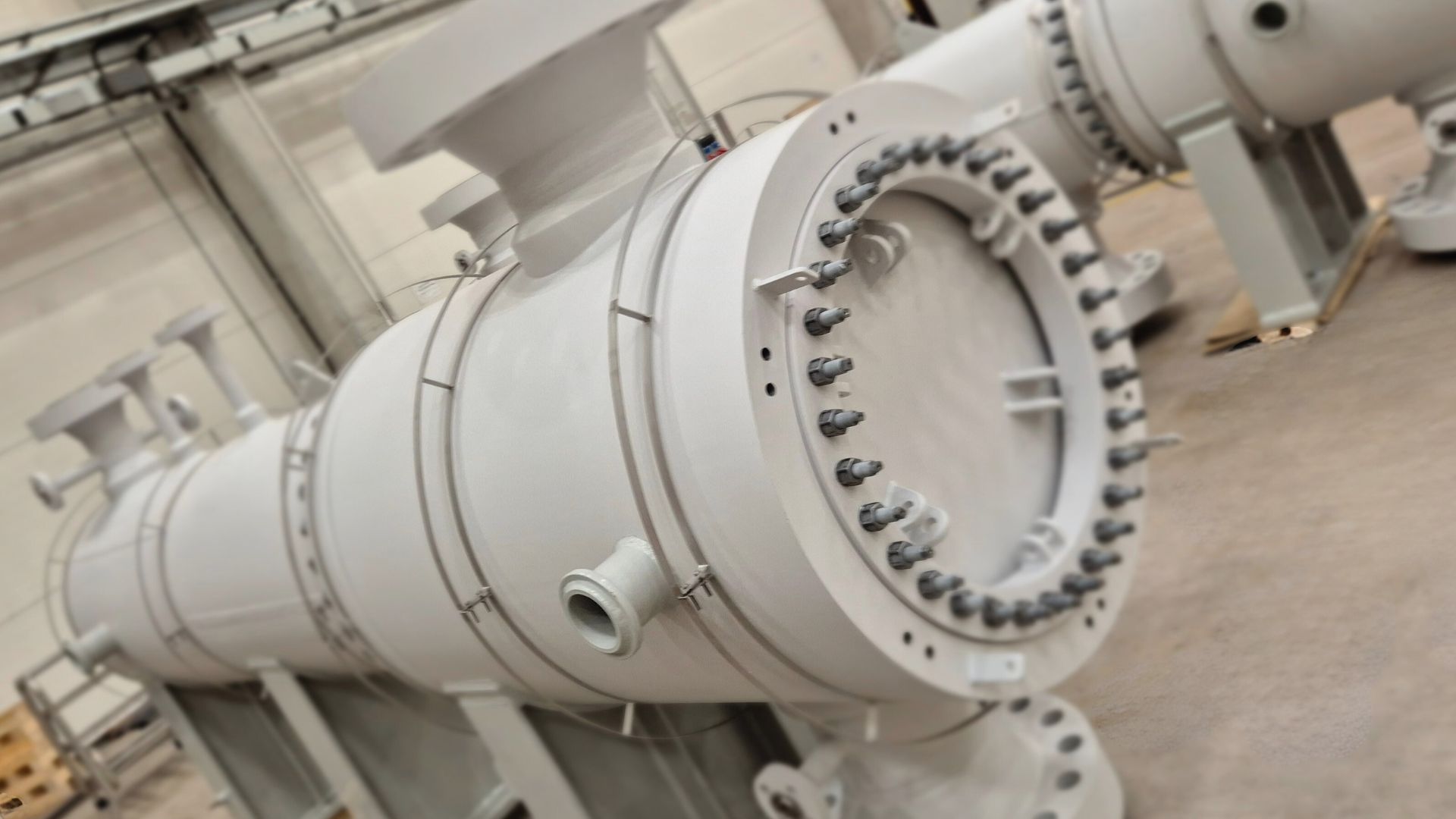
Heat Exchangers for CCS/CCUS and CO₂ Compression
Heat Exchangers for CCS/CCUS and CO₂ Compression
Across Europe, CCS/CCUS (Carbon Capture, Utilization and Storage) projects are accelerating. In these systems, pressure and temperature control are critical—especially in the CO₂ compression section and during conditioning for pipeline transport and injection.
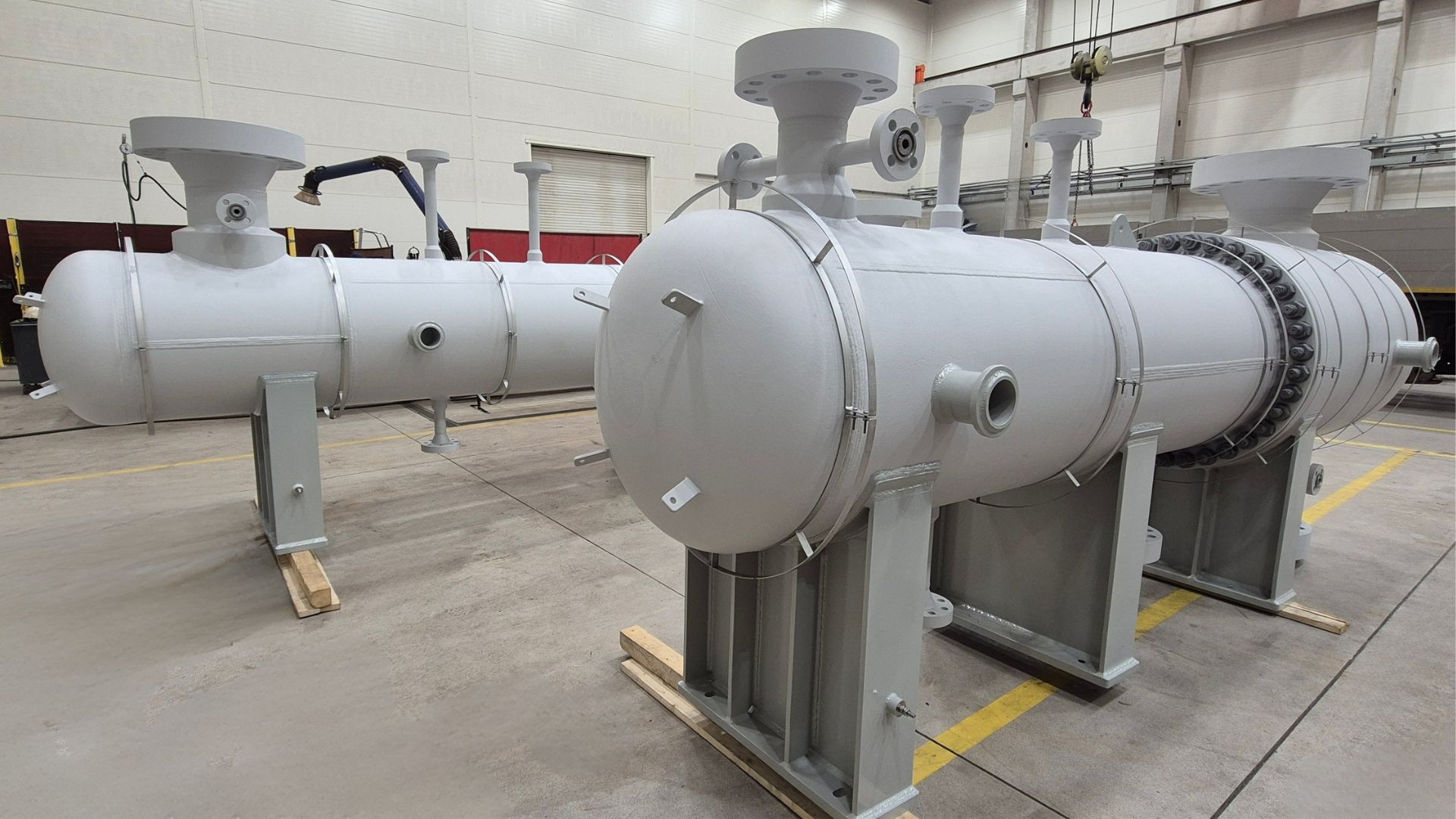
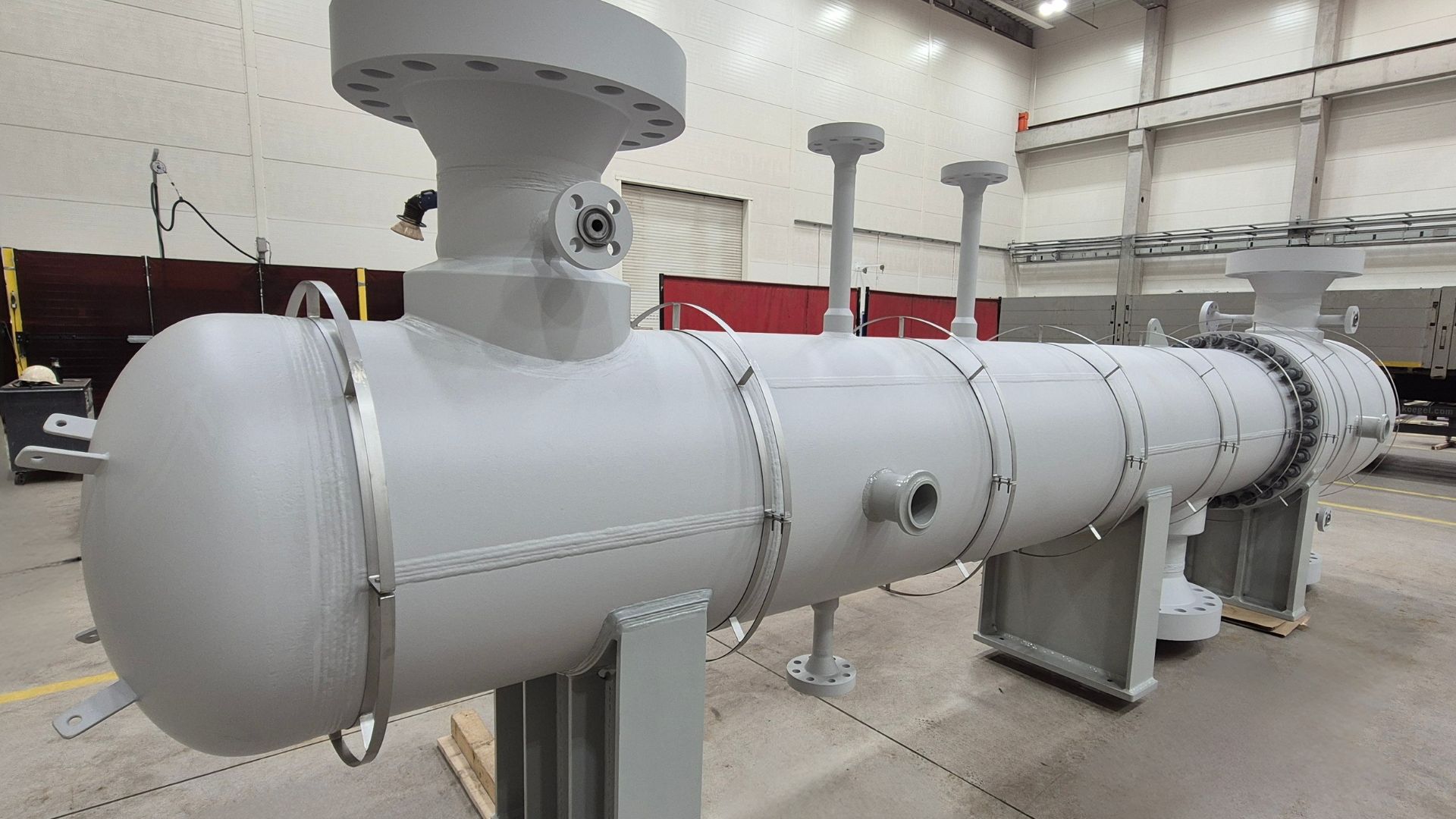
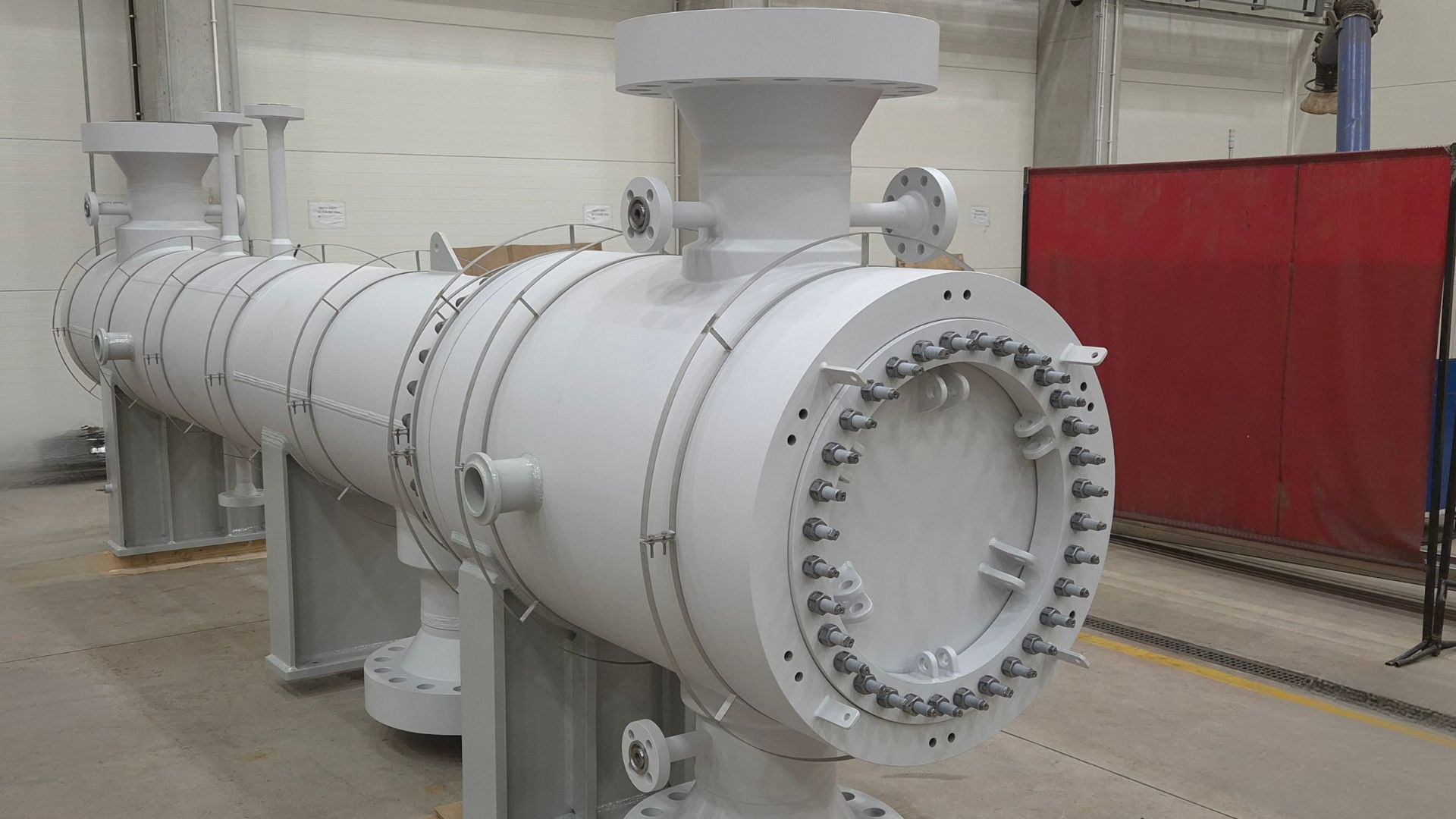
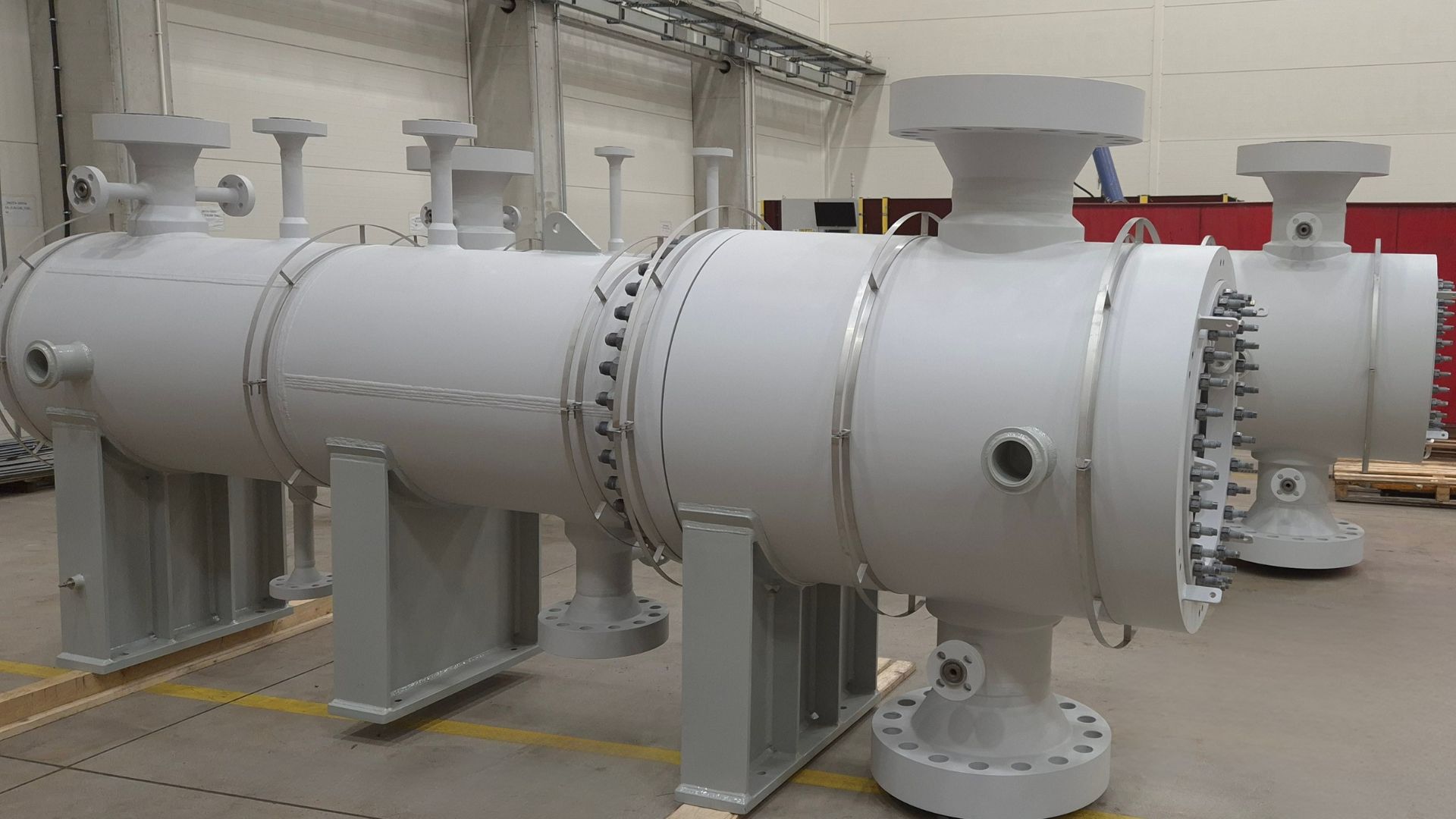
HEXONIC provides heat transfer solutions that support stable and safe operation of high-pressure process systems—from interstage/after-compression cooling to heat recovery where it is technically and economically justified.
Why CO₂ Temperature Control Matters in CCS/CCUS
During compression, CO₂ temperature increases significantly, and subsequent stages require controlled cooling and stabilization. Poor temperature management can lead to:
-
reduced process efficiency and higher energy consumption,
-
unstable operation,
-
increased risk of unfavorable phenomena during expansion conditions (e.g., formation of dry ice—solid CO₂).
That’s why CCS/CCUS facilities use heat exchangers to manage temperature at key points in the process.
Heat Exchanger Applications in CO₂ Systems
CO₂ Compression Cooling (aftercoolers / intercoolers)
-
stabilizes temperature between compression stages,
-
improves reliability and operational safety,
-
prepares CO₂ for downstream steps.
CO₂ Conditioning for Transport and Injection
-
supports controlled temperature profiles and limits parameter fluctuations,
-
enables robust operation under high-pressure conditions.
Heat Recovery from the Process
-
captures usable heat (where it makes business sense),
-
improves overall energy balance of the installation.
European CCS Example: Porthos (Port of Rotterdam)
One of Europe’s best-known CCS projects is Porthos in the Rotterdam area. The project is developed by Port of Rotterdam, Gasunie and EBN, and its CO₂ supply chain lists companies such as Shell, ExxonMobil, Air Liquide and Air Products as CO₂ suppliers to the system.
Porthos illustrates the direction of the market: growing demand for reliable process infrastructure, including solutions that support CO₂ compression and stable operating parameters.
How Hexonic Supports CCS/CCUS Projects
CO₂-related applications require integrity, durability and fit-for-duty design for high-pressure operation. In CCS/CCUS projects, what matters most is:
-
selecting a heat exchanger for operating pressure, medium and temperature regime,
-
robust performance under demanding process conditions,
-
an engineering approach aligned with quality and process safety requirements.
If you are planning a CCS/CCUS investment or upgrading a compression section, we can support the selection of a heat transfer solution matched to your operating parameters.
FAQ
What heat exchangers are used in CO₂ compression?
Most commonly, heat exchangers are selected for interstage and after-compression cooling (intercoolers/aftercoolers) to stabilize CO₂ temperature and operating conditions.
Why cool CO₂ after compression?
Cooling improves process stability, reduces operational risk, and supports CO₂ conditioning for transport and injection.
Can heat exchangers improve the energy efficiency of CCS?
Yes—through better compression-stage temperature management and through heat recovery where it is technically and economically justified.
Contact
Contact Hexonic if you are looking for solutions for:
-
CO₂ after-compression cooling,
-
high-pressure process systems,
-
CCS/CCUS and industrial decarbonization projects.