Immersion Cooling
Immersion cooling and heat exchange in oil-based systems


Immersion cooling and heat exchange in oil-based systems
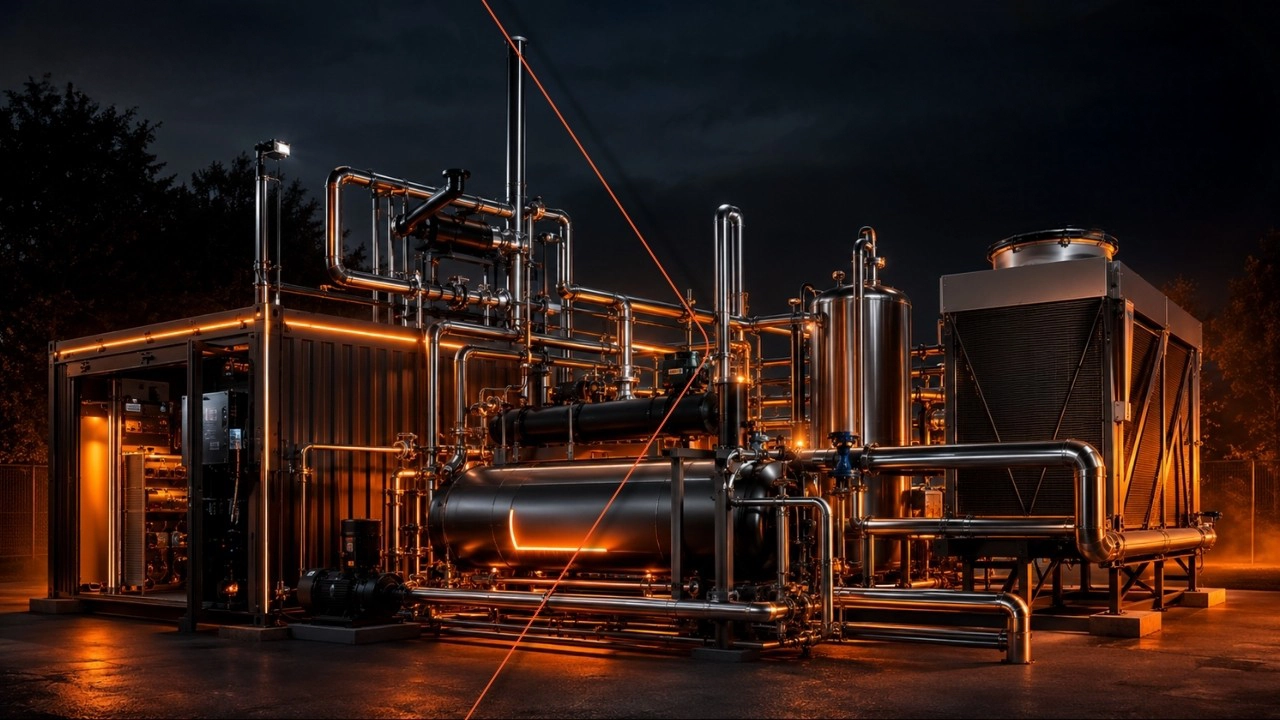
It involves immersing servers or electronic components in a special dielectric liquid that does not conduct electricity. The fluid directly absorbs heat from processors, GPUs, and other components, and then transports it to the heat removal system. Unlike traditional air cooling, immersion technology eliminates the need for numerous fans and radiators. The liquid has significantly better heat transfer properties than air, allowing effective cooling of infrastructure with very high computing power. This approach enables higher rack power density and improves the overall energy efficiency of the data center.
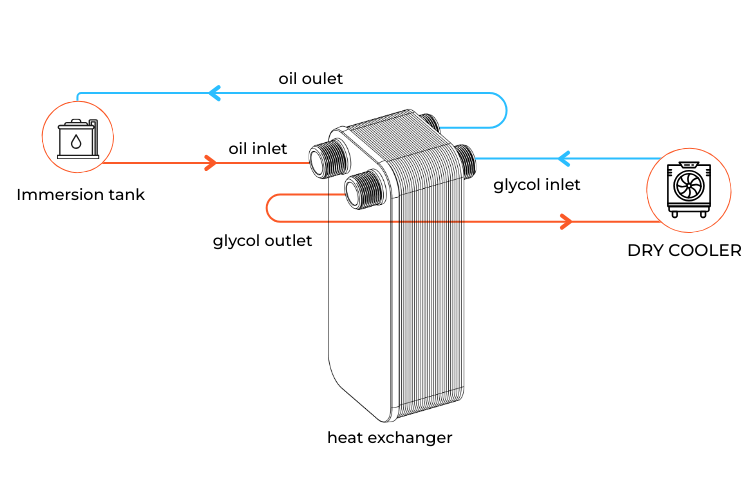
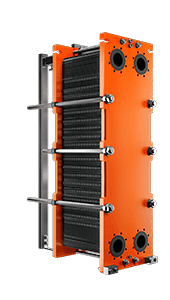
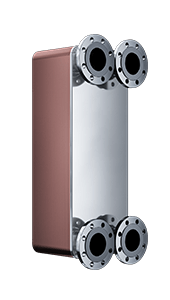
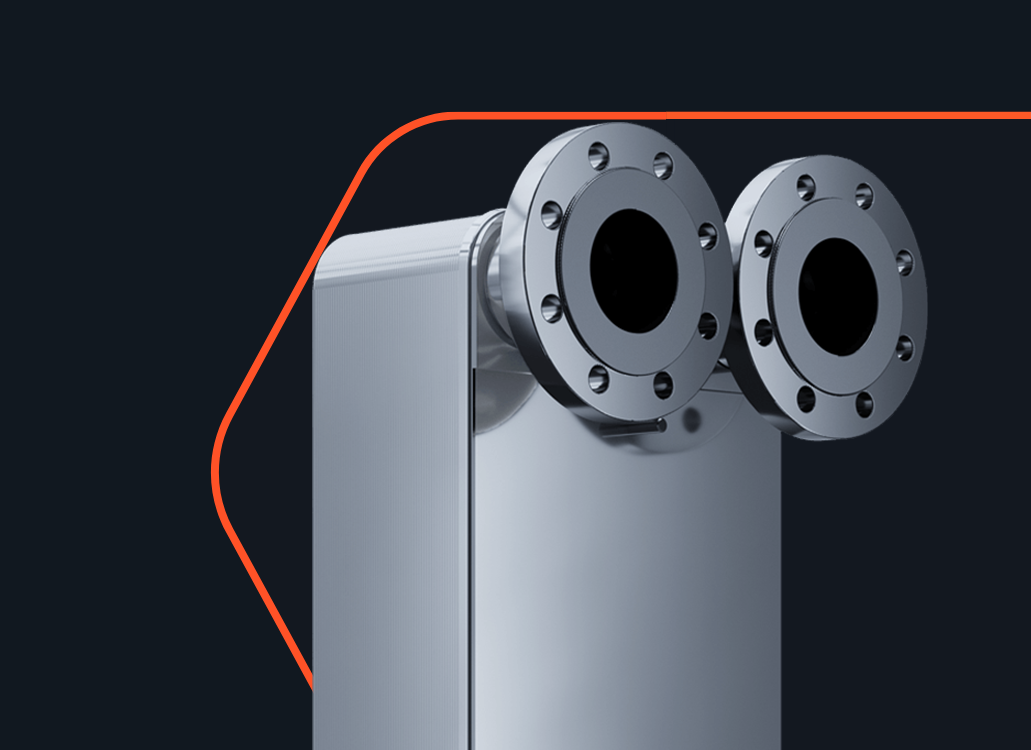
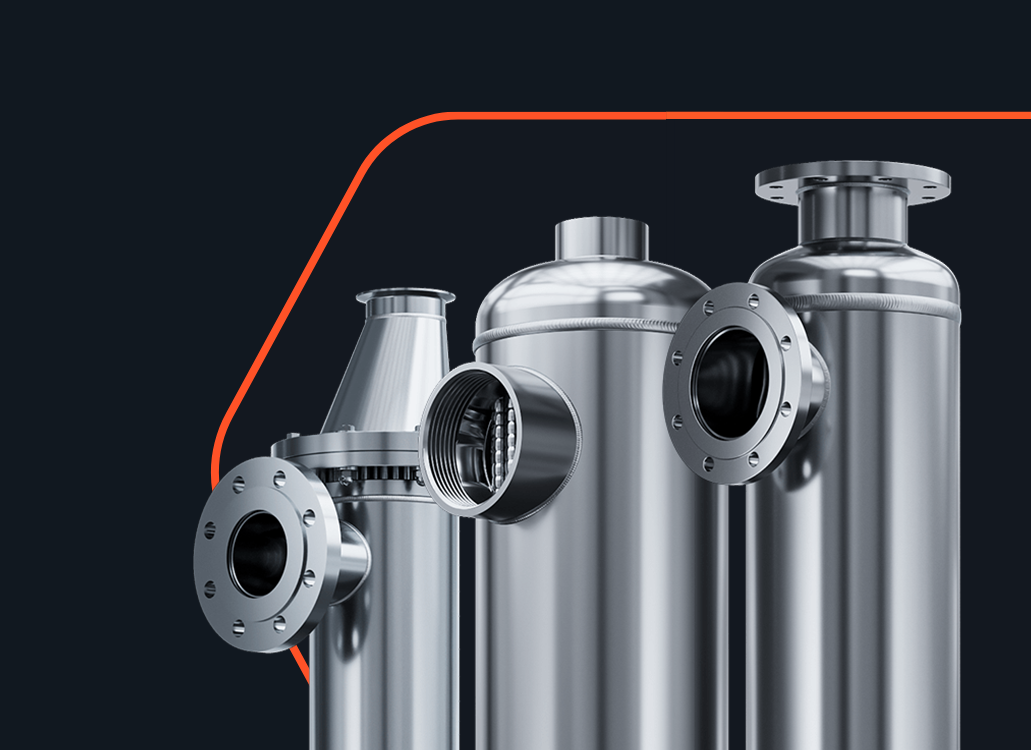
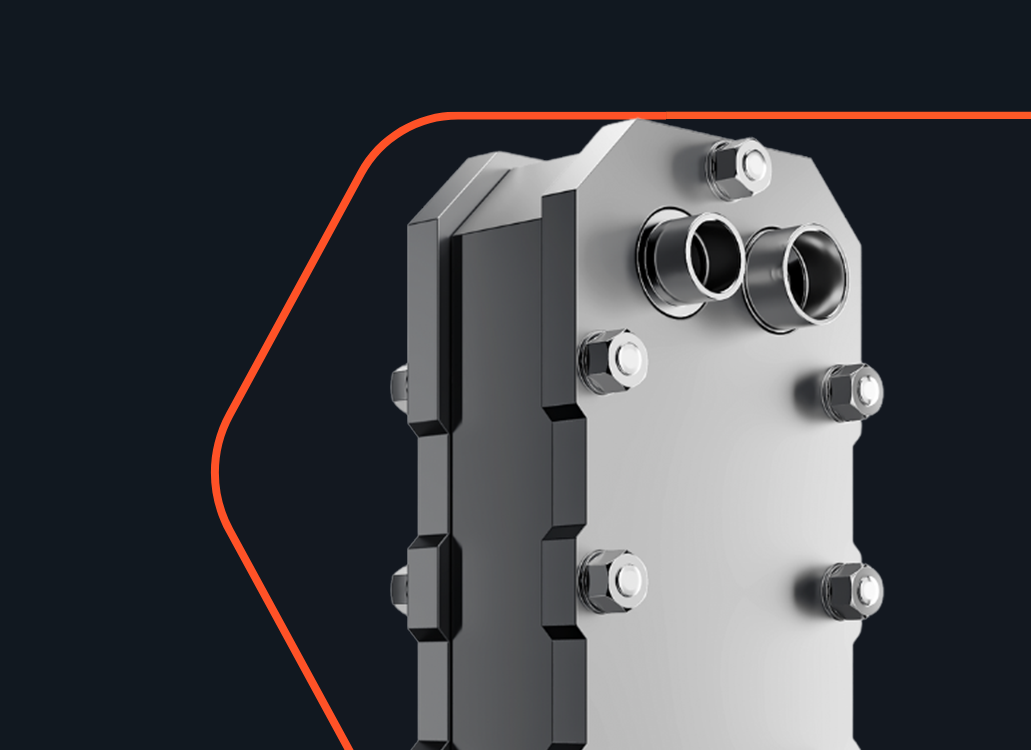
An important component of immersion cooling systems is also the heat exchanger, which transfers thermal energy from the dielectric fluid loop to the facility cooling system. In practice, heat absorbed by the cooling liquid is transferred to a heat exchanger, where it is passed to the building’s technical or chilled water loop. Thanks to the high efficiency of heat exchangers, large amounts of heat generated by servers can be removed effectively. The use of immersion cooling helps reduce energy consumption, lower noise levels in the data center, and improve the stability of IT infrastructure. As demand for computing power in AI, HPC, and cloud computing environments continues to grow, this technology is becoming one of the most promising directions for the development of data center cooling systems.